
Top Rated
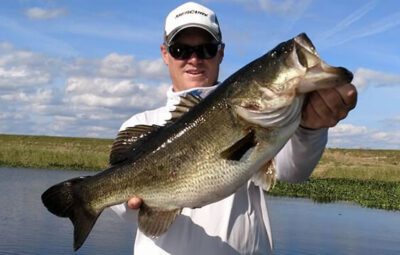
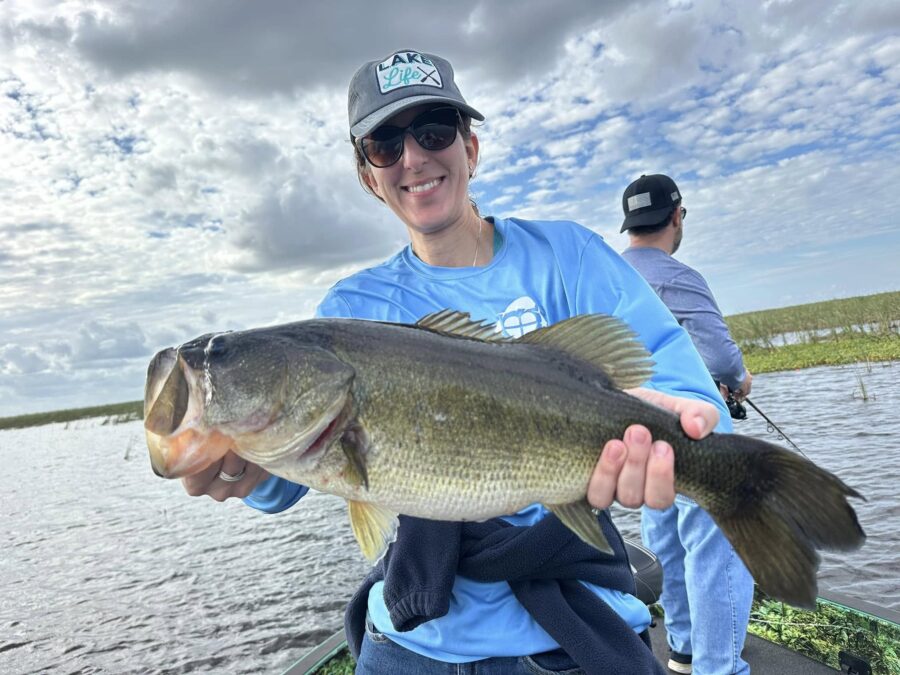
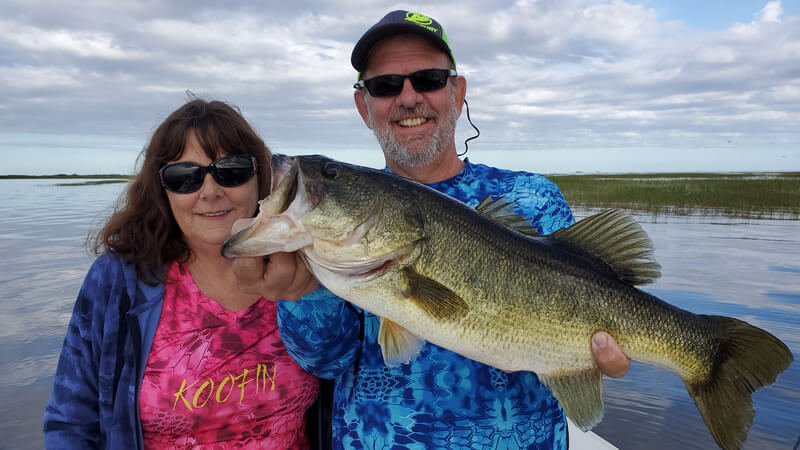

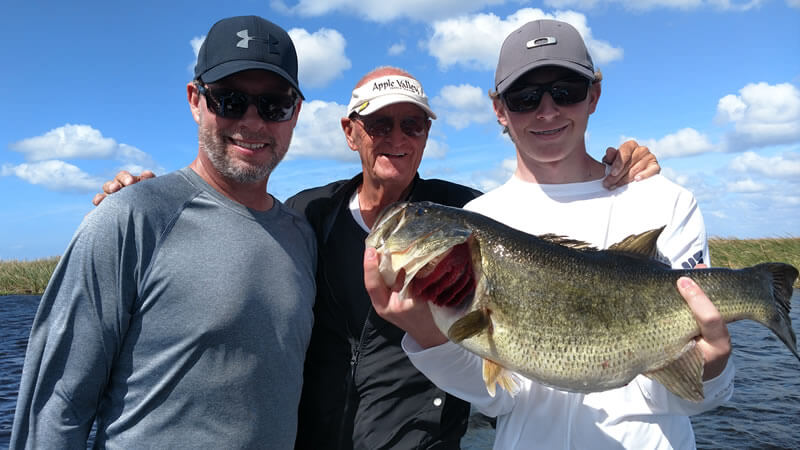

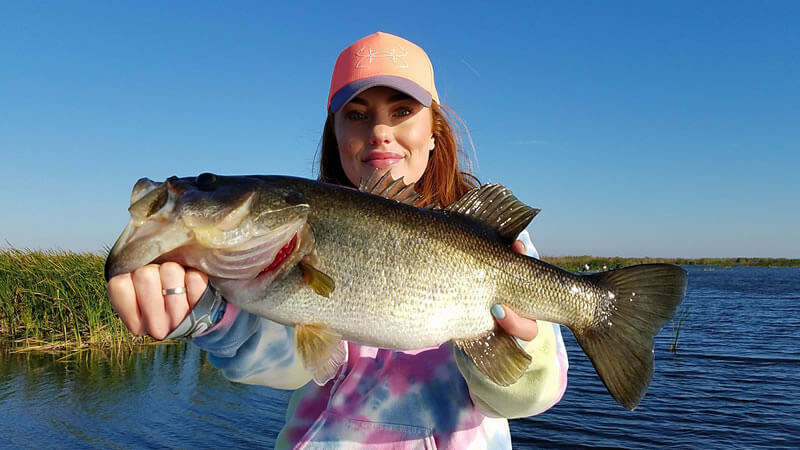

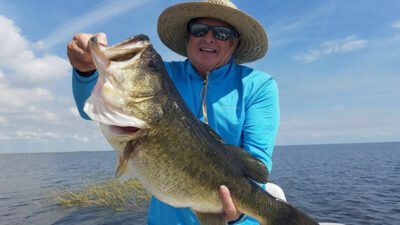
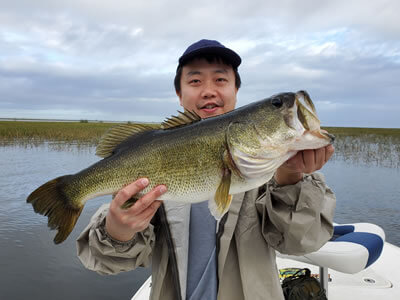
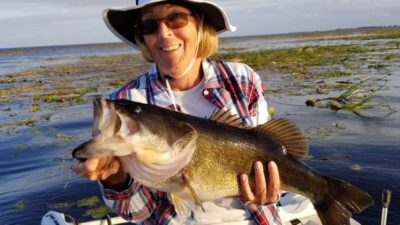
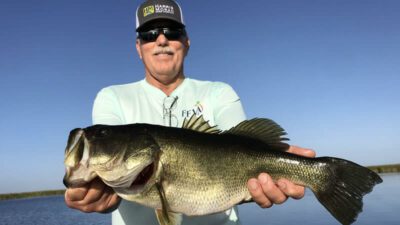

 Happy family trip Kayman took us out today and was friendly, informative, helpful, engaging, and personable and ensured my wife, 15-year-old daughter, and 10-year-old son had a great time, and we managed to catch huge largemouth bass fish too!
  “5 Stars for Colton Hester – Put Us on Bass All Day & Made Memories with My 85-Year-Old Dad on Lake Okeechobee!” If you’re looking for a bass fishing guide who will make your trip truly unforgettable, look no further than Colton Hester on Lake Okeechobee. I recently took my 85-year-old father out on a charter with Colton, and it was one of the best decisions I’ve ever made. From the moment we met him, his warm, personable nature put us both at ease. He made sure we were comfortable every step of the way — no small thing when you’re on the water with an 85-year-old! But beyond his great personality, Colton is flat-out knowledgeable. He put us on fish all day long. We weren’t just hoping for bites — we were catching. It’s clear he knows Lake Okeechobee inside and out. This trip was more than just fishing. It was a memory my father and I will talk about for years to come. If you’re looking to make memories AND catch fish, Colton Hester is your guy. Highly recommend — 5 stars without hesitation!
Okeechobee fishing We went to Okeechobee to fish for bass and unfortunately the weather turned unusually cold, rainy, and windy. We had booked a 6 hour morning trip with Captain Kayman Mills and he was great about communicating with us. It was unsafe to fish on the lake, but we could fish in the protected canals and he did say the fish were not really biting due to the conditions. We did manage to catch 7 fish and when it started raining, we decided to end at 4 hours. He was booked for the day when the weather was set to improve and helped us find a guide for that day, despite it being last minute. Highly recommend him! On Friday we went with Captain Hunter Weston and despite some morning winds, we were able to fish a protected cove and get out on the lake once the winds decreased. Again consitions were tough with colder than normal water temps. The fish were not active, but my husband did still manage to get one bass and a large bowfin. Both captains showed us some of the beautiful birds, otters, manatees, and gators. We had a great time!
Largemouth bass fishing at its best We went out on a family trip with Captain DJ and had a very successful experience; we came away with 21 largemouth bass. The kids enjoyed the experience and were super proud of the fish they caught with their own hands. It was a hands-on experience and good fun for the whole family!!
Great Fish Catch! Honestly, Captain Justin outdid himself this year with our trip: calm sea, sunshine, and fish after a largemouth bass fish was caught and into the boat. Yet another great trip we ensure we book every year! Good value for money, and the children came home very proud of themselves!
If anyone can - Harry can! Kayman is a legend at Bass Online Fishing Guides—all the trips are good, but there's always something a bit special about being with Kayman! Whatever you need to know about the local waters and their fish, Kayman can tell you. we caught every time a lots of Largemouth bass
Incredible bass fishing with Captain Mark Rose We just spent two full days bass fishing with Captain Mark Rose on Lake Okeechobee. I’ve been bass fishing in my entire life and I’ve never experienced anything like this. The lake was absolutely beautiful with tons of wildlife including flamingos and alligators. Once we started fishing, it was game on. My son and I quickly lost count of how many fish we caught including three bass that were 25 inches plus and between 6 1/2 and 8 1/2 pounds. Captain Mark was the best charter Captain we have ever fished with. He really made it a great time and was just as excited about catching the fish as we were. It was very clear that he loves bass fishing and truly enjoys teaching other people how to do it. All of the equipment, including the boat was top-notch. We are already planning a return trip for next year.
This fishing Trip Made my day I was a bit scared at first on this fishing trip, but Captain Paul was great; he taught me what to do, & we caught loads of largemouth bass – great fun, & I will surely book again next month. Awesome!
Not to be missed this trip I have been going out on fishing trips with captain Kayman since I was a young child and am still enjoying the same trip thirty-odd years later with my own children! Kayman never ceases to amaze me with his endless knowledge of the local area, his good humor, and his friendly, patient approach. we caught 10+ fish; this is most definitely a trip not to be missed! I can only think there was an honest and genuine reason for this, as Kayman is well organized and has a fantastic reputation and is certainly not the type of person to let anyone down. I have used this trip for my children's birthday parties and taken out a number of overseas visitors, all of whom have had a fantastic time! Thank you, Kayman!
Fishing Trip... Fantastic! we caught a lot of Largemouth bass, and we had a thoroughly enjoyable and informative trip. We were a party of 3 adults and 2 children and we would definitely do it again. Thank you captain DJ!
Great Time! Excellent fishing trips round Lake Okeechobee Have been going out with captain Paul many times over the years and always had good times.
Fantastic Experience for us all. Kayman made this trip a once-in-a-lifetime experience for all of our group, aged from 15 up to 42. We were able to book the Largemouth bass trip in advance so we knew when to turn up. We managed to catch soooo many fish. The children loved every moment. Kayman's knowledge was outstanding, and he was able to answer our son's many questions. Thank you Kayman for a fab experience and none of our party would hesitate in recommending you. Great fun at a super value price.
Largemouth bass with Kayman Fantastic day out with captain Kayman again. This is the second year running we've been out Largemouth bass fishing. Kayman knows the area like the back of his hand; he's been doing this for over 3 years. We went out on a cloudless day; the kids could barely get the Largemouth bass off the hooks quickly enough; the Lake was so plentiful. absolute joy. Best day.
Brilliant Fun trip! Fantastic fishing trip on Lake Okeechobee! We were going on a family trip; it felt like a private charter. We were so impressed by the captain, Dan. The knowledge and the extra speed were amazing!! Would definitely recommend
Excellent al time... I and friends had a great trip with Captain Paul, who was very knowledgeable on the local area. We were not disappointed with what we saw; the fish really made our day, and we all went home very happy. Highly recommend Paul guides.
Great Six hours trip Really enjoyable 6-hour-plus adventure for novices. Very friendly and helpful captain, thanks Kayman! He provided useful tips and lots of background information about the area and the fishing. There may not have been many largemouth bass on this particular day, but that didn't spoil the enjoyment in any way. We will be back in 2026 again.
Tasty fish So many largemouth bass caught; excellent trip, great value for money. Kayman, the captain, was so friendly. Wonderful scenery. Thanks to Bass Online Fishing Guides for the best day of our holiday. This time 4 hr couple trip, next time 8 hr full family. Thanks, guys.
My enjoy all the time An amazing day today; the captain DJ was great. Showed us exactly what to do and even cut the fish up so we could cook it when we got home. There were 4 of us today, and between us we caught 15+ fish in 4 hours. and everyone came off the boat with the biggest smile on their face worth every single penny of it. Not many activities you can pay so little for per person. Thank you for our best day out since we have been here.
Amazing outing We had a fabulous largemouth bass fishing trip. The captain, Justin, was a lovely, friendly person who gave us all a warm welcome and lots of much-needed help. I would highly recommend this as a fun couple trip, and we managed to catch our own dinner too!
Our Sea Fishing Trip! My 15-year-old son and I had a great day out sea fishing with these guys on 15th Dec 2025. We went fishing out of the city and were so impressed with the trip that we felt we had to write a review. Paul, the captain, was very helpful and couldn't do enough to make sure that my son and I caught a lot of largemouth bass fish. We ended up catching 7 in total (and lost more!!!). The trip was not at all overcrowded. It was very relaxing and great fun! We genuinely felt Paul really wanted everyone to catch fish, and they obviously loved what they were doing. I think the trip is great value for money and well worth a trip; we will definitely be back to do this again when we are next in the area. Thank you to the Bass Online Fishing Guides for a great memorable day out, which was probably the best day of our holiday! Claud and Hank (From Katy, TX)
Another great fishing trip We had an amazing trip and caught 5 largemouth bass fish during our trip. The crew and Captain DJ were very helpful and friendly. Will definitely be returning again.
Paul is a brilliant captain. I’ve done a couple of days with Captain Paul now, one-on-one and one in a group. These days are brilliant; whether you’re completely new to fishing, a high-level match angler, or in between, you’ll not fail to learn. His knowledge is second to none.
“5 Stars for Colton Hester – Put Us on Bass All Day & Made Memories with My 85-Year-Old Dad on Lake Okeechobee!” If you’re looking for a bass fishing guide who will make your trip truly unforgettable, look no further than Colton Hester on Lake Okeechobee. I recently took my 85-year-old father out on a charter with Colton, and it was one of the best decisions I’ve ever made. From the moment we met him, his warm, personable nature put us both at ease. He made sure we were comfortable every step of the way — no small thing when you’re on the water with an 85-year-old! But beyond his great personality, Colton is flat-out knowledgeable. He put us on fish all day long. We weren’t just hoping for bites — we were catching. It’s clear he knows Lake Okeechobee inside and out. This trip was more than just fishing. It was a memory my father and I will talk about for years to come. If you’re looking to make memories AND catch fish, Colton Hester is your guy. Highly recommend — 5 stars without hesitation!
Okeechobee fishing We went to Okeechobee to fish for bass and unfortunately the weather turned unusually cold, rainy, and windy. We had booked a 6 hour morning trip with Captain Kayman Mills and he was great about communicating with us. It was unsafe to fish on the lake, but we could fish in the protected canals and he did say the fish were not really biting due to the conditions. We did manage to catch 7 fish and when it started raining, we decided to end at 4 hours. He was booked for the day when the weather was set to improve and helped us find a guide for that day, despite it being last minute. Highly recommend him! On Friday we went with Captain Hunter Weston and despite some morning winds, we were able to fish a protected cove and get out on the lake once the winds decreased. Again consitions were tough with colder than normal water temps. The fish were not active, but my husband did still manage to get one bass and a large bowfin. Both captains showed us some of the beautiful birds, otters, manatees, and gators. We had a great time!
Largemouth bass fishing at its best We went out on a family trip with Captain DJ and had a very successful experience; we came away with 21 largemouth bass. The kids enjoyed the experience and were super proud of the fish they caught with their own hands. It was a hands-on experience and good fun for the whole family!!
Great Fish Catch! Honestly, Captain Justin outdid himself this year with our trip: calm sea, sunshine, and fish after a largemouth bass fish was caught and into the boat. Yet another great trip we ensure we book every year! Good value for money, and the children came home very proud of themselves!
If anyone can - Harry can! Kayman is a legend at Bass Online Fishing Guides—all the trips are good, but there's always something a bit special about being with Kayman! Whatever you need to know about the local waters and their fish, Kayman can tell you. we caught every time a lots of Largemouth bass
Incredible bass fishing with Captain Mark Rose We just spent two full days bass fishing with Captain Mark Rose on Lake Okeechobee. I’ve been bass fishing in my entire life and I’ve never experienced anything like this. The lake was absolutely beautiful with tons of wildlife including flamingos and alligators. Once we started fishing, it was game on. My son and I quickly lost count of how many fish we caught including three bass that were 25 inches plus and between 6 1/2 and 8 1/2 pounds. Captain Mark was the best charter Captain we have ever fished with. He really made it a great time and was just as excited about catching the fish as we were. It was very clear that he loves bass fishing and truly enjoys teaching other people how to do it. All of the equipment, including the boat was top-notch. We are already planning a return trip for next year.
This fishing Trip Made my day I was a bit scared at first on this fishing trip, but Captain Paul was great; he taught me what to do, & we caught loads of largemouth bass – great fun, & I will surely book again next month. Awesome!
Not to be missed this trip I have been going out on fishing trips with captain Kayman since I was a young child and am still enjoying the same trip thirty-odd years later with my own children! Kayman never ceases to amaze me with his endless knowledge of the local area, his good humor, and his friendly, patient approach. we caught 10+ fish; this is most definitely a trip not to be missed! I can only think there was an honest and genuine reason for this, as Kayman is well organized and has a fantastic reputation and is certainly not the type of person to let anyone down. I have used this trip for my children's birthday parties and taken out a number of overseas visitors, all of whom have had a fantastic time! Thank you, Kayman!
Fishing Trip... Fantastic! we caught a lot of Largemouth bass, and we had a thoroughly enjoyable and informative trip. We were a party of 3 adults and 2 children and we would definitely do it again. Thank you captain DJ!
Great Time! Excellent fishing trips round Lake Okeechobee Have been going out with captain Paul many times over the years and always had good times.
Fantastic Experience for us all. Kayman made this trip a once-in-a-lifetime experience for all of our group, aged from 15 up to 42. We were able to book the Largemouth bass trip in advance so we knew when to turn up. We managed to catch soooo many fish. The children loved every moment. Kayman's knowledge was outstanding, and he was able to answer our son's many questions. Thank you Kayman for a fab experience and none of our party would hesitate in recommending you. Great fun at a super value price.
Largemouth bass with Kayman Fantastic day out with captain Kayman again. This is the second year running we've been out Largemouth bass fishing. Kayman knows the area like the back of his hand; he's been doing this for over 3 years. We went out on a cloudless day; the kids could barely get the Largemouth bass off the hooks quickly enough; the Lake was so plentiful. absolute joy. Best day.
Brilliant Fun trip! Fantastic fishing trip on Lake Okeechobee! We were going on a family trip; it felt like a private charter. We were so impressed by the captain, Dan. The knowledge and the extra speed were amazing!! Would definitely recommend
Excellent al time... I and friends had a great trip with Captain Paul, who was very knowledgeable on the local area. We were not disappointed with what we saw; the fish really made our day, and we all went home very happy. Highly recommend Paul guides.
Great Six hours trip Really enjoyable 6-hour-plus adventure for novices. Very friendly and helpful captain, thanks Kayman! He provided useful tips and lots of background information about the area and the fishing. There may not have been many largemouth bass on this particular day, but that didn't spoil the enjoyment in any way. We will be back in 2026 again.
Tasty fish So many largemouth bass caught; excellent trip, great value for money. Kayman, the captain, was so friendly. Wonderful scenery. Thanks to Bass Online Fishing Guides for the best day of our holiday. This time 4 hr couple trip, next time 8 hr full family. Thanks, guys.
My enjoy all the time An amazing day today; the captain DJ was great. Showed us exactly what to do and even cut the fish up so we could cook it when we got home. There were 4 of us today, and between us we caught 15+ fish in 4 hours. and everyone came off the boat with the biggest smile on their face worth every single penny of it. Not many activities you can pay so little for per person. Thank you for our best day out since we have been here.
Amazing outing We had a fabulous largemouth bass fishing trip. The captain, Justin, was a lovely, friendly person who gave us all a warm welcome and lots of much-needed help. I would highly recommend this as a fun couple trip, and we managed to catch our own dinner too!
Our Sea Fishing Trip! My 15-year-old son and I had a great day out sea fishing with these guys on 15th Dec 2025. We went fishing out of the city and were so impressed with the trip that we felt we had to write a review. Paul, the captain, was very helpful and couldn't do enough to make sure that my son and I caught a lot of largemouth bass fish. We ended up catching 7 in total (and lost more!!!). The trip was not at all overcrowded. It was very relaxing and great fun! We genuinely felt Paul really wanted everyone to catch fish, and they obviously loved what they were doing. I think the trip is great value for money and well worth a trip; we will definitely be back to do this again when we are next in the area. Thank you to the Bass Online Fishing Guides for a great memorable day out, which was probably the best day of our holiday! Claud and Hank (From Katy, TX)
Another great fishing trip We had an amazing trip and caught 5 largemouth bass fish during our trip. The crew and Captain DJ were very helpful and friendly. Will definitely be returning again.
Paul is a brilliant captain. I’ve done a couple of days with Captain Paul now, one-on-one and one in a group. These days are brilliant; whether you’re completely new to fishing, a high-level match angler, or in between, you’ll not fail to learn. His knowledge is second to none.  great value for money! We did the four-hour trip, which is done with Bass Online Fishing Guides. This is perfect for families, as the skill required is minimal. The team was friendly and helped out, and thanks a lot, Captain DJ. Everyone got at least one largemouth bass, and the view of Lake Okeechobee is stunning.
holiday outing Excellent fishing trip out. They (DJ & Kayman) took us to some great spots; I had fish for 6 hours on my holiday. Would highly recommend a trip out.
Great fishing Charter What can I say? The best charter boat in my eyes. Justin, the captain alone, is enough to reach the fish to your hand. and he knows perfectly how to hook plenty of largemouth bass, a first-class fishing experience.
Lovely day fishing experience Our full family member went out fishing with captain Kayman on the lake okeechobee. It was a first for both of us and Kayman was so nice, super helpful all day with a lot of pointers and guidance. There are no words to describe my grandmother's joy upon catching a largemouth bass fish. It was a great day all around!
jack (my son) very happy My son Jake and I had a fantastic fishing day with captain Kayman. He couldn’t have been better friendly, patient, and extremely knowledgeable.We caught lots of fish, and Jake is eager for the next trip. Highly recommend!
boys talking about this fishing with his father My son had a fantastic time with captain Paul. All the boys caught plenty of largemouth bass fish and had a brilliant day.He keeps talking about it, and we’re planning another visit soon.
My restart fishing day After 37 years away from coarse fishing, I wanted a refresher and booked the 4hr fishing trip with captain Paul. It was really helpful and enjoyable, getting me back into the swing of things.I’d highly recommend it to anyone looking to start or restart coarse fishing!
my boys caught big fish My boys had a brilliant time at the fishing zone. The captain Paul was all attentive and helpful, and the lake is perfcet for fishing. We caught large Largemouth bass (8lb), its a great tripWe’ll definitely be returning, highly recommend for a fun day out!
Great for new fisher My daughter (12) and son (9) had a brilliant time Largemouth bass fishing, their first ever experience! They caught four fish each and couldn’t stop smiling after every catch.Kayman was excellent captain very friendly and great at explaining. Thanks for a lovely day!
we spend a great day We booked the 8hr Fishing trip and had the most amazing time. We are complete novices so to have capt Kayman coaching us was great. He is so knowledgeable, patient and encouraging and always on hand to help us. We caught so many largemouth bass fish, my son also great fisher! We highly recommend this and will definitely book again.
Lovely time with DJ Really we had a fantastic time. The captain DJ was honest, friendly, and professional, and we felt supported from when we started the fishing. We booked 6hr trip and caught large Largemouth bass.Would encourage anyone to try it, a truly enjoyable fishing day out.
Great Couple Fishing Trip Such an enjoyable trip! we booked 4 hour couple trip. Kayman was amazing guide(captain) really helpful and welcoming. The whole experience was well organised and set in everything superb. Next time I will book 8hr sure.Already planning our next trip in November
We spend a great day What a day! My son had an absolute blast, catching 8 fish! Dan was excellent captain, so patient and full of great advice. He made sure everyone was involved, whether you’re a beginner or experienced.We had a picnic but loved the fact there were refreshments available. Highly recommend this experience!
Fishing with great captain After months of the kids talking about fishing, we decided to give this a go. Kayman was fantastic captain calm, clear, and great with children. He guided them step by step, from handling to catching their first Largemouth bass fish. They caught plenty and learned so much along the way.Highly recommend for anyone wanting to start their fishing journey.
Nature and fishing combined with my family. We loved how this trip blended fishing with exploring nature. The All Day Lake Okeechobee Fishing Trip near Fort Pierce and it was really we enjoyed. The fishing was just as exciting, with plenty of bass to keep us busy. Out kids started strong, landing two nice ones right away, and I eventually caught up. Four hours was the perfect amount of time, enough to fish, relax, and enjoy the views without feeling rushed.
Utah man gets his bucket list filled. Captain Fellows was simply awesome. His knowledge was amazing. He was super nice and fun. Made the trip worth the money. When I told him a largemouth from Okeechobee was on my bucket list...bam, He fulfilled my dream. I'm from Utah.
Lake Okeechobee bass vs Captain Galen Today was a great day on world famous Lake Okeechobee. Fish were plentiful and so were the stories. Captain Galen Fugh was a great guide and outstanding “Wang” man! It was a day for checking off something on our bucket list and making memories. We highly recommend you let them hook you up with some bug bass!
great value for money! We did the four-hour trip, which is done with Bass Online Fishing Guides. This is perfect for families, as the skill required is minimal. The team was friendly and helped out, and thanks a lot, Captain DJ. Everyone got at least one largemouth bass, and the view of Lake Okeechobee is stunning.
holiday outing Excellent fishing trip out. They (DJ & Kayman) took us to some great spots; I had fish for 6 hours on my holiday. Would highly recommend a trip out.
Great fishing Charter What can I say? The best charter boat in my eyes. Justin, the captain alone, is enough to reach the fish to your hand. and he knows perfectly how to hook plenty of largemouth bass, a first-class fishing experience.
Lovely day fishing experience Our full family member went out fishing with captain Kayman on the lake okeechobee. It was a first for both of us and Kayman was so nice, super helpful all day with a lot of pointers and guidance. There are no words to describe my grandmother's joy upon catching a largemouth bass fish. It was a great day all around!
jack (my son) very happy My son Jake and I had a fantastic fishing day with captain Kayman. He couldn’t have been better friendly, patient, and extremely knowledgeable.We caught lots of fish, and Jake is eager for the next trip. Highly recommend!
boys talking about this fishing with his father My son had a fantastic time with captain Paul. All the boys caught plenty of largemouth bass fish and had a brilliant day.He keeps talking about it, and we’re planning another visit soon.
My restart fishing day After 37 years away from coarse fishing, I wanted a refresher and booked the 4hr fishing trip with captain Paul. It was really helpful and enjoyable, getting me back into the swing of things.I’d highly recommend it to anyone looking to start or restart coarse fishing!
my boys caught big fish My boys had a brilliant time at the fishing zone. The captain Paul was all attentive and helpful, and the lake is perfcet for fishing. We caught large Largemouth bass (8lb), its a great tripWe’ll definitely be returning, highly recommend for a fun day out!
Great for new fisher My daughter (12) and son (9) had a brilliant time Largemouth bass fishing, their first ever experience! They caught four fish each and couldn’t stop smiling after every catch.Kayman was excellent captain very friendly and great at explaining. Thanks for a lovely day!
we spend a great day We booked the 8hr Fishing trip and had the most amazing time. We are complete novices so to have capt Kayman coaching us was great. He is so knowledgeable, patient and encouraging and always on hand to help us. We caught so many largemouth bass fish, my son also great fisher! We highly recommend this and will definitely book again.
Lovely time with DJ Really we had a fantastic time. The captain DJ was honest, friendly, and professional, and we felt supported from when we started the fishing. We booked 6hr trip and caught large Largemouth bass.Would encourage anyone to try it, a truly enjoyable fishing day out.
Great Couple Fishing Trip Such an enjoyable trip! we booked 4 hour couple trip. Kayman was amazing guide(captain) really helpful and welcoming. The whole experience was well organised and set in everything superb. Next time I will book 8hr sure.Already planning our next trip in November
We spend a great day What a day! My son had an absolute blast, catching 8 fish! Dan was excellent captain, so patient and full of great advice. He made sure everyone was involved, whether you’re a beginner or experienced.We had a picnic but loved the fact there were refreshments available. Highly recommend this experience!
Fishing with great captain After months of the kids talking about fishing, we decided to give this a go. Kayman was fantastic captain calm, clear, and great with children. He guided them step by step, from handling to catching their first Largemouth bass fish. They caught plenty and learned so much along the way.Highly recommend for anyone wanting to start their fishing journey.
Nature and fishing combined with my family. We loved how this trip blended fishing with exploring nature. The All Day Lake Okeechobee Fishing Trip near Fort Pierce and it was really we enjoyed. The fishing was just as exciting, with plenty of bass to keep us busy. Out kids started strong, landing two nice ones right away, and I eventually caught up. Four hours was the perfect amount of time, enough to fish, relax, and enjoy the views without feeling rushed.
Utah man gets his bucket list filled. Captain Fellows was simply awesome. His knowledge was amazing. He was super nice and fun. Made the trip worth the money. When I told him a largemouth from Okeechobee was on my bucket list...bam, He fulfilled my dream. I'm from Utah.
Lake Okeechobee bass vs Captain Galen Today was a great day on world famous Lake Okeechobee. Fish were plentiful and so were the stories. Captain Galen Fugh was a great guide and outstanding “Wang” man! It was a day for checking off something on our bucket list and making memories. We highly recommend you let them hook you up with some bug bass!
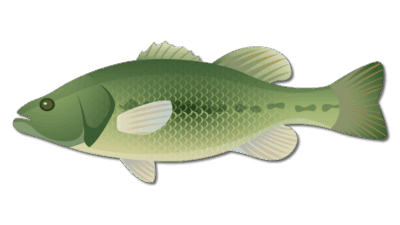
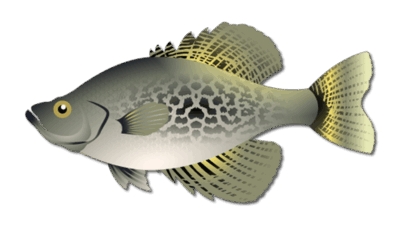
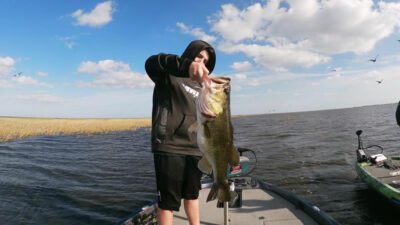
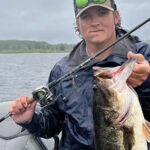

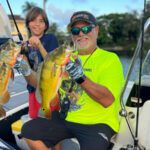
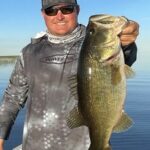
Lake Okeechobee is Florida’s largest lake and one of the country’s best-known destinations for largemouth bass and black crappie. The lake covers about 730 square miles, or 467,200 acres, yet averages only about nine feet deep. That combination creates an enormous shallow-water fishery where vegetation, wind, water level, and seasonal movement matter more than traditional deep-water structure.
Success begins with choosing the right side of the lake. Lake Okeechobee has distinct launch areas and fishing communities around its shoreline, and conditions can differ significantly from one zone to another. This guide explains where to start, when to fish, which techniques work, and what to check before your trip.
Lake Okeechobee is nationally recognized for its largemouth bass and black crappie fisheries. Bass anglers target expansive beds of hydrilla, eelgrass, cattails, bulrush, lily pads, and other shallow cover. Crappie anglers often focus on open-water schools and vegetated edges, especially during the cooler months.
The lake’s shallow profile makes it productive but also sensitive to changing conditions. A modest rise or fall in water level can open new vegetation, concentrate fish along outside edges, or make familiar routes difficult to navigate. Wind can quickly build waves across the open lake, and submerged vegetation, rocks, shoals, and construction-related obstacles can create hazards. Before launching, review the Florida Fish and Wildlife Conservation Commission’s Lake Okeechobee forecast and navigation notices and check the U.S. Army Corps of Engineers’ current lake-level report.
There is no single “best” launch for every day. The right starting point depends on wind direction, water level, vegetation, target species, and how far you want to travel by boat. These five communities provide practical access to different parts of the lake.
Okeechobee City is the primary gateway to the north end of the lake. The Kissimmee River, Taylor Creek, rim canals, and broad northern marshes give anglers several types of water within reach. The area can be especially useful when bass relate to moving water, canal edges, reed lines, and protected vegetation.
The north end is a strong choice for visitors staying in Okeechobee because it combines marina access, lodging, supplies, and multiple fishing options. It is also a convenient meeting area for many local guides.
Clewiston is one of the lake’s best-known fishing hubs. From the south shore, anglers can reach extensive grass, canals, cuts, islands, and open-water edges. The area supports both live-bait and artificial-lure fishing and is a common base for tournaments and guided trips.
South-shore water can change quickly with wind and water level. A guide who has been on the lake recently can help select safe routes and identify productive vegetation without spending the first hours of the day searching.
Belle Glade provides access to the southeast portion of Lake Okeechobee. Canals, protected pockets, reed lines, and nearby open-water areas allow anglers to adjust as weather changes. This side can be productive for bass and crappie, with the best pattern depending on vegetation quality and water clarity.
Belle Glade is also a practical starting point for anglers traveling from Palm Beach County and South Florida. Because long runs across open water are not always advisable, launching near the zone you plan to fish can save time and reduce exposure to changing wind.
Pahokee offers east-shore access through the Pahokee Marina area. Nearby canals, grass lines, and protected water can give anglers alternatives when the main lake is rough. Depending on current conditions, this zone can support flipping, casting moving baits, and live-shiner fishing.
Pahokee deserves consideration when east or southeast access is most convenient, or when recent reports point to productive water on the eastern side. Always verify local ramp and marina conditions before departure.
Lakeport is an important west-shore gateway near Fisheating Creek. The surrounding area includes marsh, grass, canal edges, and protected water that can hold bass and panfish. It can be a useful starting point when west-side conditions are favorable or when anglers want to avoid a long run from another side of the lake.
Water clarity and vegetation on the west side can vary with inflow and wind. Look for cleaner water, active bait, healthy grass, and transition lines rather than committing to one named spot.
Lake Okeechobee is a year-round fishery, but the most consistent approach changes by season. Weather fronts, water level, and vegetation often matter as much as the calendar.
If your schedule is flexible, choose a day with a stable forecast and manageable wind. On a lake this large and shallow, safe access to productive water is more important than chasing a particular month.
Wild-caught golden shiners are a proven choice for Lake Okeechobee largemouth bass. Guides commonly present them around vegetation edges, holes in the grass, reed lines, and other places where bass can ambush prey. A float helps control depth and shows subtle bites, while the exact rig depends on cover, wind, and water depth.
Live bait is especially helpful for families, first-time anglers, and guests focused on catching rather than mastering a specialized presentation. It is also effective when changing weather makes artificial-lure patterns less predictable.
Artificial-lure anglers should carry presentations that cover the water column and work through vegetation. Topwater frogs and walking baits can be effective over or beside surface cover. Swim jigs, spinnerbaits, bladed jigs, and swimbaits help locate active fish along grass lines. Texas-rigged worms, stick baits, creature baits, and flipping presentations allow anglers to slow down and work heavier cover.
Color and retrieve speed should follow water clarity and activity level. Natural baitfish and green-pumpkin tones are dependable in clearer water; darker or more visible colors can help in stained conditions. When wind or dirty water reduces visibility, vibration and a slower, deliberate presentation may produce more bites.
Not every patch of grass holds fish. Productive areas often combine healthy vegetation with an edge, point, opening, depth change, hard bottom, bait activity, or cleaner water. Watch for birds, surface movement, small fish flicking near cover, and changes in plant type. If a large area looks lifeless, keep moving until several favorable clues come together.
Water level affects which cover is reachable and how fish use it. Rising water may spread fish into newly flooded vegetation; falling water can pull them toward outside edges, channels, and deeper holes. Use current information rather than relying on a spot that produced during a different lake stage.
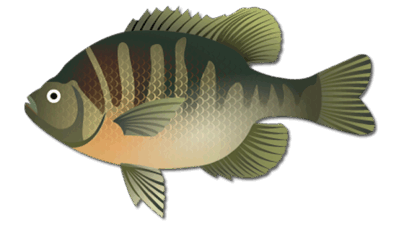
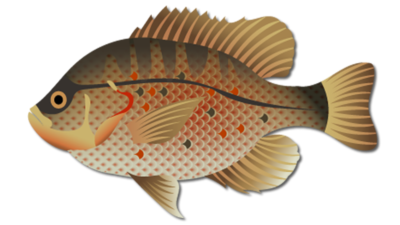
Largemouth bass are the lake’s signature sport fish, but Okeechobee supports a diverse warm-water fishery. Black crappie, often called speckled perch in Florida, draw anglers during the cooler season. Bluegill and redear sunfish provide panfish opportunities, while catfish inhabit canals and open-water areas.
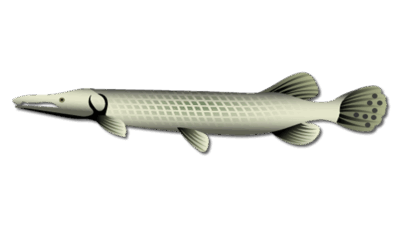
The lake also contains gar, bowfin, and other native species. Species mix and location change through the year, so match tackle and bait to the fish you intend to target.
A Lake Okeechobee fishing guide can shorten the learning curve on a water body that is larger and more complex than it first appears. Local guides monitor vegetation, water clarity, wind, ramp access, and recent fish movement. They also provide the boat, safety equipment, tackle, and a plan suited to the group.
When booking, share the number of guests, experience level, target species, preferred technique, and whether children are joining the trip. Ask which launch area is best for current conditions. The meeting point may be Okeechobee City, Clewiston, Belle Glade, Pahokee, Lakeport, or another nearby access, not necessarily the closest ramp to your lodging.
Morning trips are popular, but the best departure time can change with season and weather. Longer trips provide more time to adjust locations or techniques on a lake where productive zones may be separated by considerable distance.
Bank fishing is available in selected canals, piers, marinas, and public access areas around the lake, but shoreline access does not represent the entire fishery. Confirm posted rules, hours, and access before fishing. Keep a safe distance from locks, control structures, private property, wildlife, and boating traffic.
Boaters should treat Lake Okeechobee as a large, shallow, weather-sensitive water body. Use updated charts and electronics, follow marked navigation routes, wear life jackets, and reduce speed when visibility or local knowledge is limited. FWC has warned that low water can expose or conceal rocks, shoals, vegetation, and construction debris. Conditions at a familiar route can change.
The lake is also home to alligators. Observe wildlife from a distance, never feed alligators, and keep pets away from the water’s edge. Swimming and wading are not recommended where wildlife, boating hazards, poor visibility, or water-quality alerts create risk.
Most anglers need an appropriate Florida freshwater fishing license. License exemptions may apply, but every angler is responsible for confirming eligibility and following current rules.
Lake Okeechobee has specific harvest regulations. FWC currently allows a five-fish daily bag limit for black bass, with only one bass 16 inches or longer per angler per day. Black crappie under 10 inches must be released, and the daily bag limit is 25. Regulations can change, so verify the current FWC freshwater regulations before keeping fish.
For fish you plan to eat, consult Florida’s current freshwater fish-consumption guidance, including special advice for children and people who are pregnant, may become pregnant, or are nursing. Mercury cannot be removed by cleaning or cooking. During a harmful algae bloom, follow Florida Department of Health guidance: avoid contact with visibly affected water, keep pets away, discard fish guts, rinse fillets with clean tap or bottled water, and cook fillets thoroughly.
Water-quality conditions can change by location and date. Review current notices at Protecting Florida Together before swimming, wading, or handling water, especially if it is discolored, smells unpleasant, or has visible scum.
Lake Okeechobee’s name is commonly translated from Hitchiti as “big water.” The lake sits at the center of a watershed that connects the Kissimmee River to the Everglades. Today, its water levels and flows are managed through a complex system of canals, locks, levees, and control structures involving the U.S. Army Corps of Engineers and the South Florida Water Management District.
The 1928 Okeechobee hurricane caused catastrophic flooding after the earthen dike failed, killing thousands of people in communities south of the lake. The disaster shaped later flood-control work, including construction and expansion of the Herbert Hoover Dike. That history remains essential to understanding the lake and the communities around it.
For anglers, Okeechobee’s scale is both its attraction and its challenge. The lake can produce memorable bass, crappie, and panfish trips, but preparation matters. Choose the right access area, watch the wind and lake level, follow current safety and harvest guidance, and adjust to the vegetation and water in front of you.
| Species | Jan | Feb | Mar | Apr | May | Jun | Jul | Aug | Sep | Oct | Nov | Dec |
|---|---|---|---|---|---|---|---|---|---|---|---|---|
| Largemouth Bass | 🔥 Hot | 🔥 Hot | 🔥 Hot | 🔥 Hot | ✅ Good | ✅ Good | ✅ Good | ✅ Good | 🔥 Hot | |||
| Crappie | 🔥 Hot | 🔥 Hot | 🔥 Hot | ✅ Good | ✅ Good | ✅ Good | ✅ Good | ✅ Good | ✅ Good |
No targeted species marked for Jul.
No targeted species marked for Aug.
No targeted species marked for Sep.
Before your trip: Navigation conditions and lock schedules change. The 2026 status notes below reflect a point-in-time report, not a guarantee of current access;…
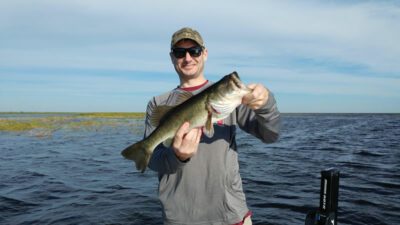
3 Days of Largemouth Bass Fishing This archived Lake Okeechobee report follows Steve, Brian, and Tom on a three-day trip with Captain Mark Rogers.…
Quick answer: Late winter into spring is often a strong window for trophy bass on Lake Okeechobee as fish move toward spawning cover, while…