
Best Seller
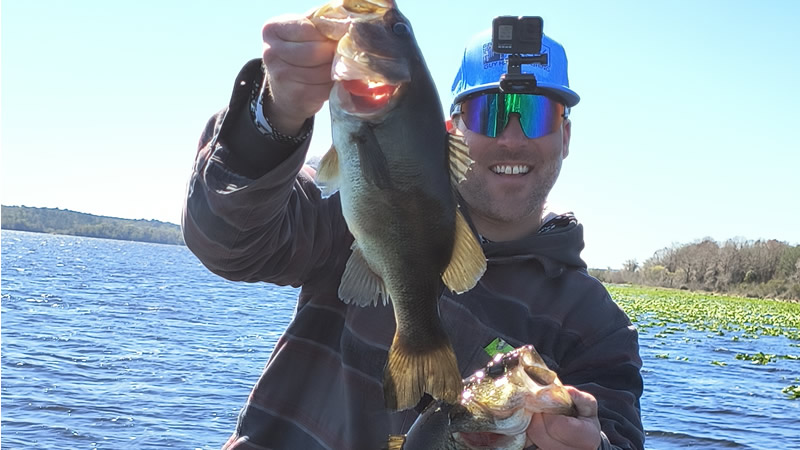
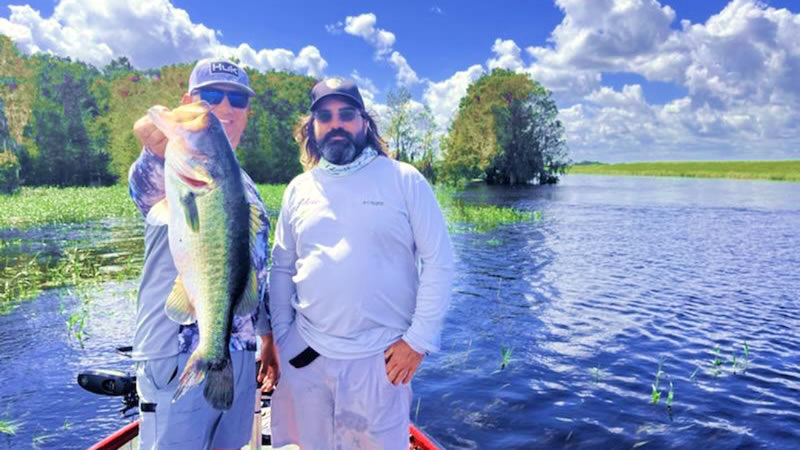
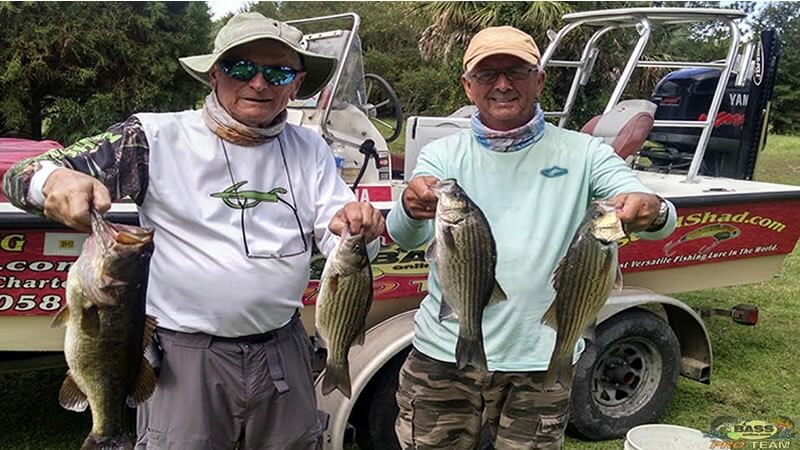
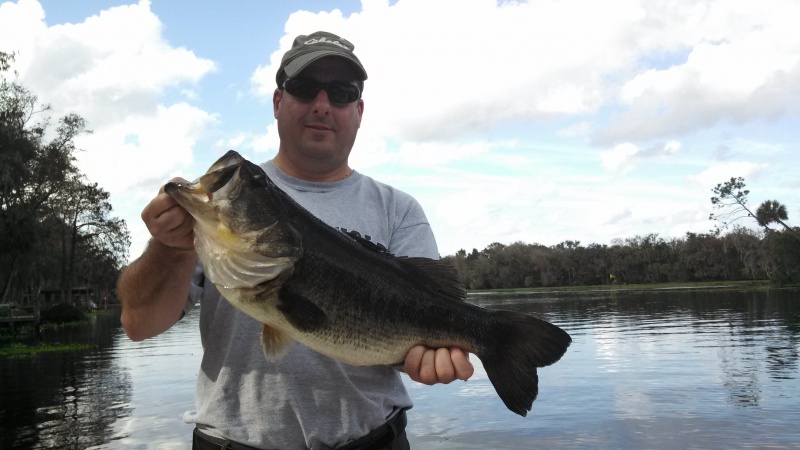



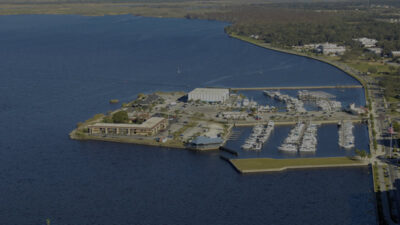
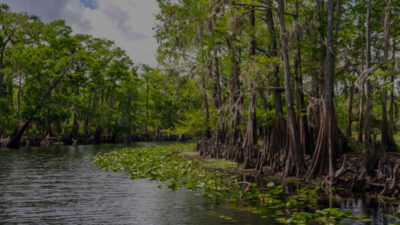
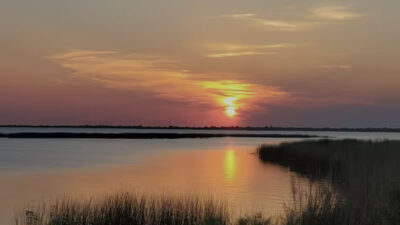
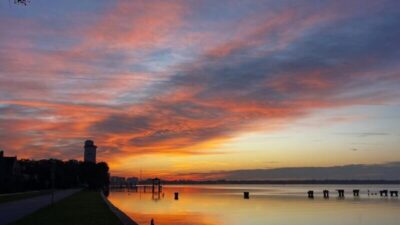
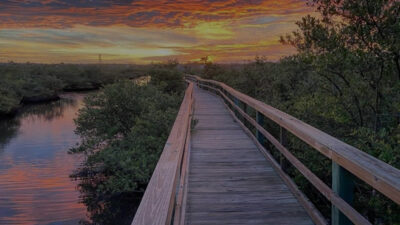
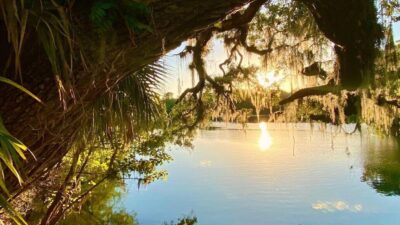
The St. Johns River is Florida’s longest river and one of the state’s most important freshwater fishing systems. It runs about 310 miles from marshy headwaters in east-central Florida north to the Atlantic Ocean near Mayport. Because the river drops only a small amount in elevation over that distance, it moves slowly, widens into large lakes, and supports very different fishing conditions from its upper marshes to its lower tidal reaches.
For anglers planning a North Florida trip, the relationship is simple: the Ocklawaha River is the largest tributary of the St. Johns River, and Rodman Reservoir is an impoundment on the Ocklawaha upstream from where the Ocklawaha joins the St. Johns near Welaka. These are separate fisheries, but they belong to the same connected river system. Our North Florida lakes and rivers guide helps anglers compare Rodman, the St. Johns, the Ocklawaha, Lake George and other nearby waters.
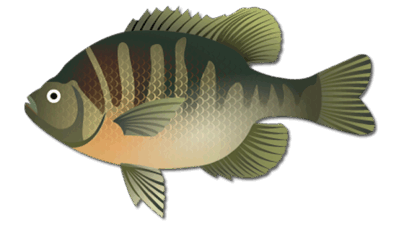
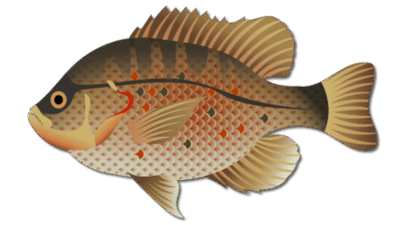
The St. Johns supports largemouth bass, black crappie, bluegill, redear sunfish, striped bass, sunshine bass and seasonal American shad. Fishing changes by location, water temperature, river level, current, vegetation and—especially in the lower river—tide. That diversity is one reason the river can reward both first-time visitors and experienced anglers.
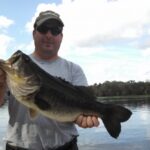
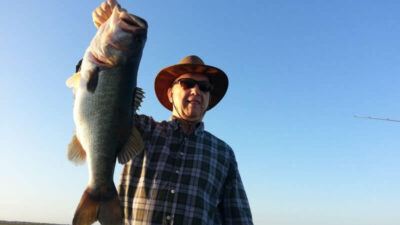
Florida Fish and Wildlife Conservation Commission data continues to show the St. Johns River system as a major trophy-bass producer. FWC’s TrophyCatch tracker lists more than 1,500 documented bass of eight pounds or better from the river system, supporting its long-standing reputation as a legitimate trophy largemouth destination.
For the latest bite, start with our St. Johns River fishing reports. For tactics, seasonal patterns and lure guidance, use our St. Johns River fishing tips.
The St. Johns River Water Management District divides the river into upper, middle and lower basins. Each section fishes differently, and anglers should think of the river as a connected system rather than one uniform body of water.
The upper river begins in broad marshes and shallow wetlands in east-central Florida. This section is generally freshwater and can be strongly influenced by rainfall, seasonal water levels and aquatic vegetation. The river widens into a chain of named lakes and marsh-connected basins before continuing north.
Lake Hell ’n Blazes is a remote 381-acre lake in the upper river marshes south of the better-known Brevard County lakes. St. Johns River Water Management District sources place the first recognizable river channels near Three Forks just south of the lake, while FWC includes Hell ’n Blazes among the named lakes of the Upper St. Johns fishery.
Sawgrass Lake in the Upper St. Johns is a separate 481-acre river lake farther north. It should not be confused with Sawgrass Lake Park near St. Petersburg or Sawgrass Recreation Park in the Everglades. Because search demand for this upper-river Sawgrass Lake is limited and the name is highly ambiguous, BassOnline treats it here as part of the St. Johns River system rather than creating a competing standalone page.
Farther north, anglers reach Lake Washington (4,362 acres), Lake Winder (about 1,496 acres), and Lake Poinsett (4,334 acres). Together these waters form an important part of the Upper St. Johns River landscape and provide the clearest named-lake waypoints for anglers planning the headwaters section.
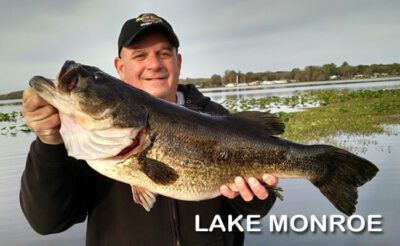
Farther north, the river widens and becomes easier to navigate in many areas. Lakes and backwaters around Lake Harney, Lake Jesup and Lake Monroe create productive habitat for bass, crappie, bluegill and seasonal shad.
Lake George is one of the largest expansions of the St. Johns system. The river around Astor, Lake George and Welaka is important for largemouth bass, striped bass and sunshine bass. North of Palatka, the river becomes broader and increasingly tidal before reaching Jacksonville and the Atlantic.
The Ocklawaha enters the St. Johns near Welaka. Upstream on the Ocklawaha, anglers encounter Rodman Reservoir, which is why anglers fishing North Florida often combine or compare St. Johns River, Ocklawaha River and Rodman Reservoir when planning a multi-day trip.
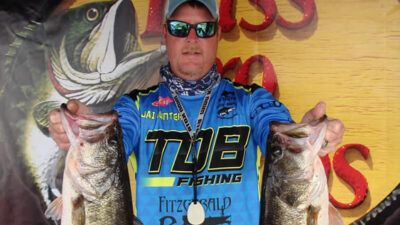
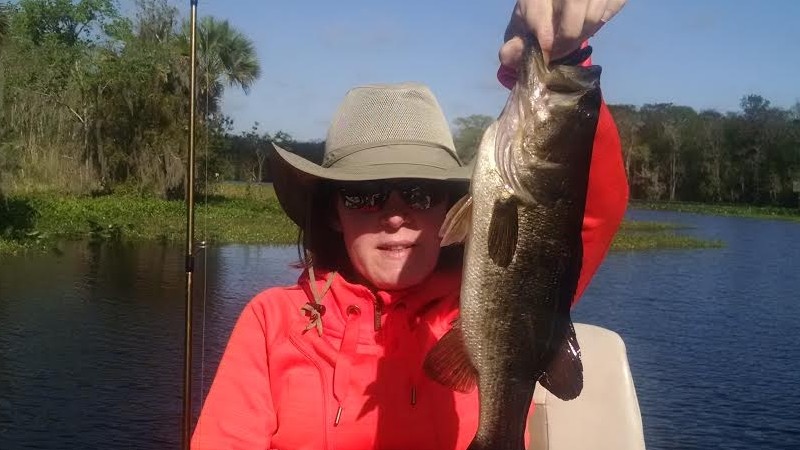
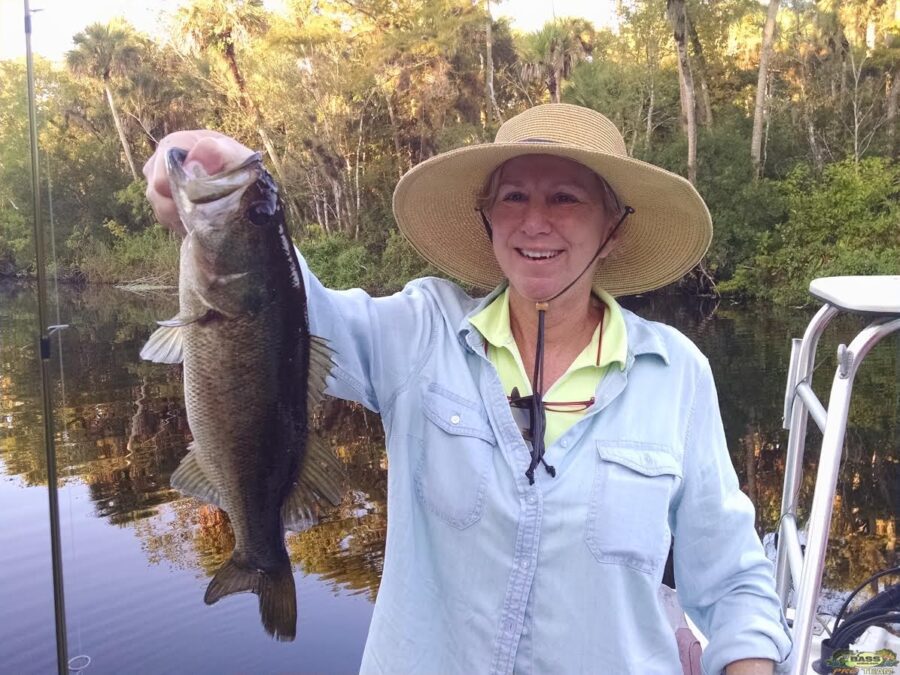
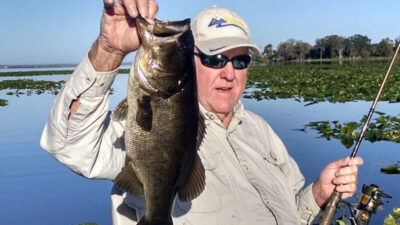
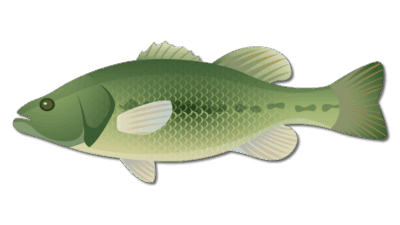
Largemouth bass are the river’s headline freshwater species. Productive targets include vegetation edges, creek mouths, shell beds, docks, pilings, submerged wood, current breaks and places where baitfish concentrate. Live wild shiners remain a dependable option for anglers focused on trophy fish, while soft plastics, spinnerbaits, crankbaits, jerkbaits and topwater lures all have a place depending on water clarity, temperature and current.
Cold fronts can slow the bite and make precise presentations more important. Falling water after a high-water period can also concentrate fish. Instead of relying on one permanent “best spot,” anglers should follow current conditions through the St. Johns reports hub.
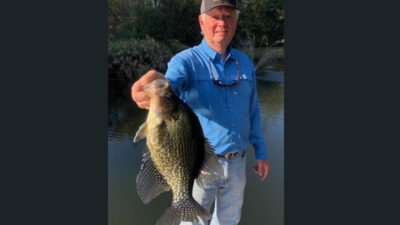
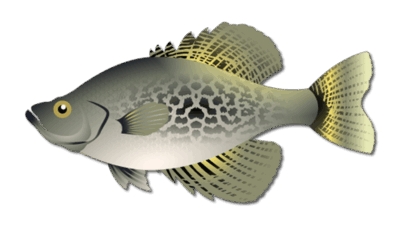
Black crappie—often called specks in Florida—are popular throughout freshwater sections of the system. Minnows and small jigs are common choices around wood, channels and deeper edges. Cooler months are especially popular. Our dedicated St. Johns River crappie guide covers the best times, baits and tactics without forcing the main river page to compete for every crappie-specific query.
The St. Johns is one of Florida’s most important striped-bass systems. Stripers and sunshine bass seek cooler water when temperatures rise, often using spring runs and other thermal refuges. Fishing generally improves from fall through spring. Anglers specifically targeting stripers should use our St. Johns River striped bass guide.
Bluegill, redear sunfish and other panfish provide excellent family fishing throughout much of the river. Creek mouths, vegetation, shoreline cover and protected backwaters can all produce depending on the season.
The river can be fished year-round, but the best strategy changes with season and location. Cooler months often provide comfortable conditions for largemouth bass, crappie, striped bass and sunshine bass. Spring can bring strong bass activity as fish move through spawning and post-spawn patterns. Summer fishing is often best early in the day, and anglers targeting striped or sunshine bass should pay special attention to cooler-water refuges.
River level, rainfall and tide can matter as much as the calendar. The lower St. Johns is influenced by tides, while upper sections can respond dramatically to wet- and dry-season water levels. Before traveling, review recent fishing reports instead of relying on an old trip diary from a specific month or year.
These three names are closely related but should not be used interchangeably. The St. Johns River is the main river. The Ocklawaha River is its largest tributary. Rodman Reservoir is a reservoir created by impounding the Ocklawaha. That geography gives Bass Online a natural North Florida content cluster while allowing each canonical page to own a separate search intent.
The St. Johns covers an enormous area, and the productive pattern near Sanford can be very different from the pattern around Lake George or Palatka. A local guide helps narrow that water quickly and can supply the boat, tackle and seasonal knowledge needed for a productive day. Browse St. Johns River fishing guides to compare current captains and trip availability.
Navigation conditions vary greatly along the river. Upper sections can be narrow and shallow, while lower sections support larger vessels and commercial traffic. Watch for changing water levels, submerged wood, marked channels, boat wakes and tide-driven current. Weather can change quickly, and summer afternoon storms are common in Florida.
The St. Johns is large enough to support trophy bass, crappie, striped bass, family panfishing and multi-day North Florida adventures. For anglers staying around Palatka or Welaka, it is especially easy to compare the St. Johns with nearby Rodman Reservoir and the Ocklawaha River.
Start with the St. Johns River Fishing Tips, check the latest St. Johns River Fishing Reports, explore the broader North Florida fishing region, and then choose a local St. Johns River guide.
Official resources: St. Johns River Water Management District and Florida Fish and Wildlife Conservation Commission.
One older multi-day charter finished on the St. Johns River after two days on Lake Toho. The St. Johns day produced the best quality of the trip, including a 6-pound, 7-ounce personal-best largemouth and several fish in the 4- to 5-pound class. This is preserved as a historical field observation, not a promise of present conditions.
| Species | Jan | Feb | Mar | Apr | May | Jun | Jul | Aug | Sep | Oct | Nov | Dec |
|---|---|---|---|---|---|---|---|---|---|---|---|---|
| Largemouth Bass | 🔥 Hot | 🔥 Hot | 🔥 Hot | 🔥 Hot | ✅ Good | ✅ Good | ✅ Good | ✅ Good | 🔥 Hot | 🔥 Hot | ||
| Crappie | 🔥 Hot | 🔥 Hot | 🔥 Hot | 🔥 Hot | 🔥 Hot | 🔥 Hot | ✅ Good | ✅ Good | 🔥 Hot | 🔥 Hot |
No targeted species marked for Jul.
No targeted species marked for Aug.